Coin collecting can start with the change you already have. Pick a small theme, learn to identify each coin, and buy only after you know what the same item has actually sold for.
Start with five coins
- Choose five coins from a jar, a relative, or a low-cost dealer bin.
- For each, record country, denomination, date, mintmark, and metal if known.
- Photograph the front and back. Keep the coin in a clean holder with its note.
- Pick one series you like and learn its common dates before looking for a rare one.
What supplies do I need?
Begin with good light, a soft work surface, a 5× to 10× loupe, PVC-free holders, and a simple record sheet. Handle each coin by its edges. Do not clean or polish it: a shiny surface can be worth less if cleaning removes original detail. The U.S. Mint care guide shows safe handling.
How do I identify and grade one?
Read the date and mintmark first. Use the Mint's collecting basics for parts of a U.S. coin. Then compare your coin with photos of the same series at different grades. Look at high-point wear, luster, and scratches. Write a possible grade range; a photograph cannot certify a precise grade. A cleaned or damaged coin may be worth less than a problem-free coin with similar wear.
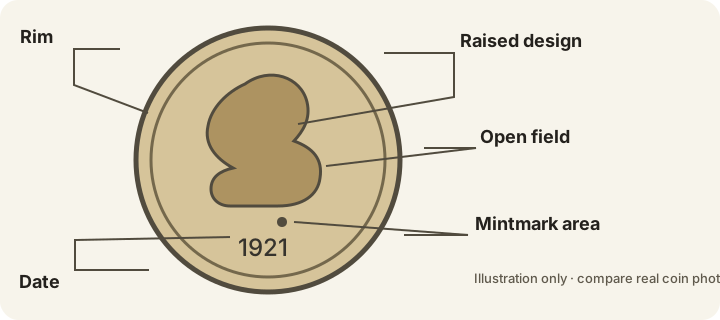
For example, imagine a 1964 U.S. quarter from pocket change. First confirm the year and mintmark; then check an official reference for its silver content. Next compare wear on the portrait and eagle with photos of the same series. That gives you a better starting point than guessing from age alone. A common date in worn condition may be valued mainly for its silver, while a scarce variety can call for more research.
How much should I spend?
You can begin at $0 by sorting change. With $50, choose a reference or several common, clearly identified coins. With $100, compare two or three examples of one series before choosing. With $250, ask for a written receipt, return terms, and recent sold comparables before buying a higher-priced piece. These are study budgets, not promises of value.
How do I avoid a bad first purchase?
- Ask for clear photographs of the exact coin, including the back and any damage.
- Check the seller's return terms and keep the receipt.
- Compare the same date, mintmark, variety, and condition; a different mintmark may change the price.
- For a costly coin, consider whether certification or a specialist opinion would cost less than the risk of a mistake.
- Keep money needed for bills or emergencies out of a collecting budget.
What is a fair price?
Find at least three completed sales for the same date, mintmark, variety, and similar condition. Record sale date, price, shipping, and whether the coin was professionally graded. Asking prices alone do not show what buyers paid. If you plan to resell, subtract selling fees and postage in the coin calculator.
Write one line for each comparable sale: coin, grade or condition, sale date, final price, shipping, and source. If the sale has a detail grade for cleaning or damage, keep it separate from problem-free examples. A guide book is useful for identification and broad ranges, but the date on a price guide matters. When evidence conflicts, wait and learn more instead of forcing a price.
Where do I go next?
Explore the coin guide index for authentication, grading, silver, storage, and coin history. The American Numismatic Association's beginner advice is another useful reference. Collect coins you enjoy learning about; price increases are uncertain.
Loading comments…