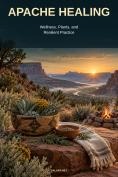
Apache Healing: Discover The Rich Tradition of Apache Healing and Medicine
Kindle eBook · Randy Salars
History & Treasure · Article series
Six chapters follow Chihenne leaders and campaigns; six battle histories recount named engagements from 1860 to 1885; six companion guides examine the record.
“Indian Wars” is the name in the original publication queue and an archival term, not a complete account of the people or events. These articles name Apache communities where the sources permit, describe federal policy and mining expansion, and recognize living descendants. Grant County was formed in 1868; earlier events are discussed as occurring in the area of present-day Grant County. Some later engagements took place in neighboring counties and are located explicitly in their articles.
Start with the Chihenne homeland, then follow the campaigns and six specific battles in date order. The six research companions help you examine records and places after reading the history. Each chapter links to tribal, federal, archival, or scholarly sources and marks uncertain claims.
Eighteen articles
Meet the Warm Springs and Mimbres Apache people of southwestern New Mexico through their homelands, family networks, and leaders Mangas Coloradas, Loco, Victorio, Nana, and Gouyen.
Follow the Bascom crisis, the 1862 Battle of Apache Pass, Mangas Coloradas's killing at Fort McLane, and the forts that reshaped southwestern New Mexico.
How Black troops founded Fort Bayard in 1866, why the post guarded the Pinos Altos mining district, and how its soldiers entered the Apache campaigns.
The Warm Springs Apache leader's struggle against removal, the 1879–80 campaign across New Mexico and Texas, and the disaster at Tres Castillos in Chihuahua.
After Victorio's death, Nana led a mobile Warm Springs Apache campaign through New Mexico, including the fights at Carrizo and Gavilan canyons.
The final Chiricahua campaign, the roles of Geronimo and Naiche, Apache scouts, the Arizona surrender, and the imprisonment that followed.
Follow six engagements through their people, terrain, decisions, casualties, and immediate consequences.
What happened when miners attacked a Mimbres Apache camp on December 4, 1860, and why the deaths and captivity mattered to Mangas Coloradas's people.
A close account of the September 1861 Apache attack on Pinos Altos, the miners' defense, conflicting dates, and the war that followed.
How Victorio used a New Mexico canyon against Ninth Cavalry columns, and how Black soldiers, Navajo scouts, and Apache families experienced the fight.
Sergeant George Jordan, Ninth Cavalry soldiers, and local residents defended the Tularosa settlement during Victorio's May 1880 attack.
The August 1881 ambush of soldiers and cowboys pursuing Nana from Fort Cummings, and how Sergeant Brent Woods led the survivors.
How Josanie's Apache party ambushed Lieutenant Samuel Fountain's cavalry column near Little Dry Creek on December 19, 1885, and how Navajo scouts helped it survive.
These original guides trace sources, maps, civilian experience, site visits, and the limits of the surviving record.
Define the New Mexico geography and nineteenth-century period while naming Apache communities, settlers, soldiers, and the limits of the term Indian Wars.
Compare Army, Indian Affairs, tribal, newspaper, map, and museum records without mistaking any one archive for the full history.
Use dated boundaries, source-aware location labels, and multiple perspectives to map the Grant County region during the Apache Wars.
Examine Apache, settler, soldier, and family experiences around Grant County while keeping policy, displacement, and source limits in view.
Plan a source-aware visit to Fort Bayard and the Grant County region while respecting tribal histories, land access, and uncertain site claims.
Learn how to state uncertainty about names, dates, locations, motives, and numbers in the Grant County Apache Wars record without losing the history.
Open the zoomable Apache Wars map to see battles, homelands, communities, military posts, campaign sequences, and places of exile discussed throughout this series. Approximate circles distinguish uncertain historical locations from modern map anchors.
The Alma history series follows the April 1880 attack, the Roberts ranch refuge, and the remembered experiences of Sarah Roberts's family through eyewitness testimony and family photographs.
The separate Apache Wars: Ten Perspectives cycle uses fictional viewpoint characters to bring documented events into narrative form. Every story labels its imagined scenes and links back to factual history.
The History of Silver City series follows the San Vicente settlement, silver mining, Fort Bayard’s regional setting, rail growth, Chihuahua Hill, and the flood that reshaped the town.
Explore the History article collections, the Native American History collection, and the historical archives guide for wider context and methods. The Old West article index offers more regional history. The Grant County trapping history series examines the Gila fur trade, wildlife, and present-day rules.
Further reading · Randy Salars
These contemporary Kindle books cover Apache themed subjects. They are further reading, not primary evidence for the historical claims in these articles. Each Store page links to its Amazon purchase listing.
Kindle eBook · Randy Salars
Kindle eBook · Randy Salars
Kindle eBook · Randy Salars
Kindle eBook · Randy Salars
Kindle eBook · Randy Salars
Kindle eBook · Randy Salars
Kindle eBook · Randy Salars
Kindle eBook · Randy Salars
Kindle eBook · Randy Salars
Kindle eBook · Randy Salars
Kindle eBook · Randy Salars
Kindle eBook · Randy Salars
Kindle eBook · Randy Salars
Kindle eBook · Randy Salars
Kindle eBook · Randy Salars
Kindle eBook · Randy Salars






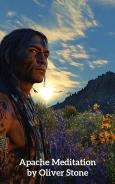
Kindle eBook · Randy Salars
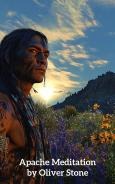
Kindle eBook · Randy Salars
What would you add or question? Add your comment below. A human reviews it before publication.
The wider community forum is also open: Browse article discussions in the forum · Forum home
May we load Google's measurement tag to understand how people use this site? It is connected to Analytics and Google Ads; advertising storage and personalization are disabled for this measurement tag. This choice is separate from advertising consent. Privacy details
Loading comments…